The Future of Artificial Intelligence in the Workplace
The Future of Quantum Computing
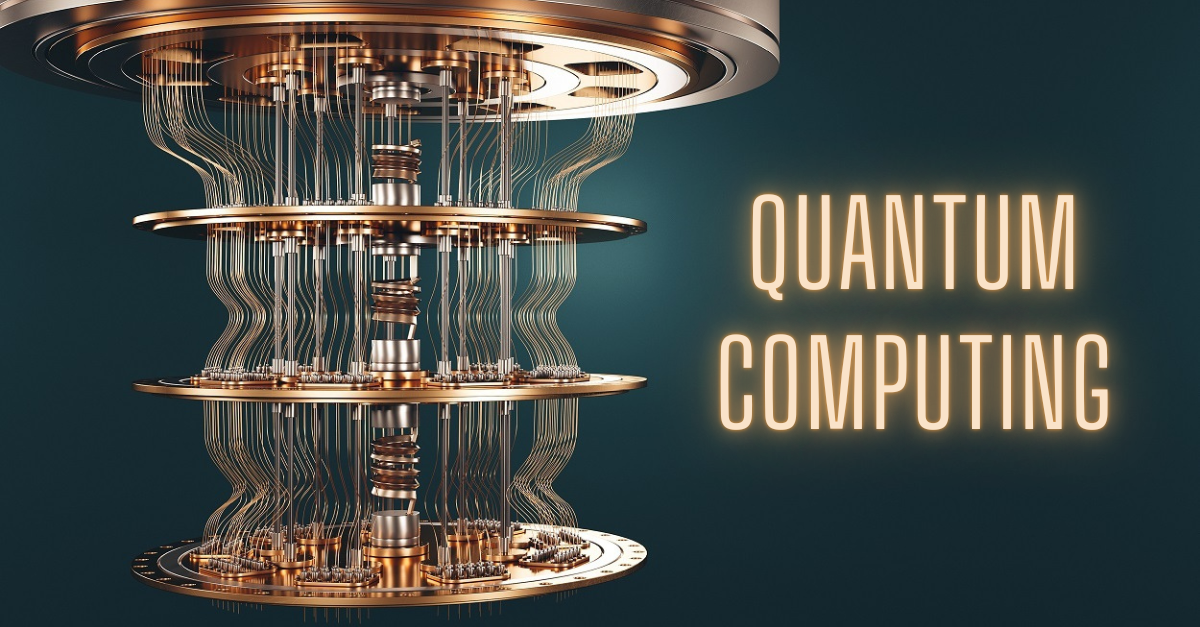
Quantum computing is an exciting new technology that has the potential to revolutionize the computing industry. Unlike classical computing which uses bits, quantum computing uses quantum bits, or qubits. Qubits have the unique ability to exist in multiple states at once, allowing for exponentially faster processing speeds and the ability to solve problems that are practically impossible for classical computers to solve.
While still in its early stages of development, quantum computing has already shown promise in a variety of fields, including cryptography, drug discovery, and climate modeling. In fact, IBM has already introduced the IBM Q System One, the world's first fully integrated quantum computer for commercial use.
The potential applications of quantum computing are truly mind-boggling. For example, a fully-functional quantum computer could potentially break the encryption codes that secure the internet, which would have far-reaching consequences for global cybersecurity. On the other hand, it could also be used to develop new drugs or optimize energy production, leading to major breakthroughs in medicine and sustainability.
However, quantum computing is not without its challenges. One major challenge is that qubits are extremely delicate and can easily be disrupted by external factors such as temperature fluctuations or electromagnetic radiation. This makes building a reliable and error-free quantum computer extremely difficult.
Despite these challenges, the potential benefits of quantum computing are simply too great to ignore. As the technology continues to evolve and become more refined, it has the potential to transform the way we live and work in ways that we can't even imagine yet.
Comments
Post a Comment